Book A Demo
To book a demo please complete the form and we will come back to you shortly.
New Zealand
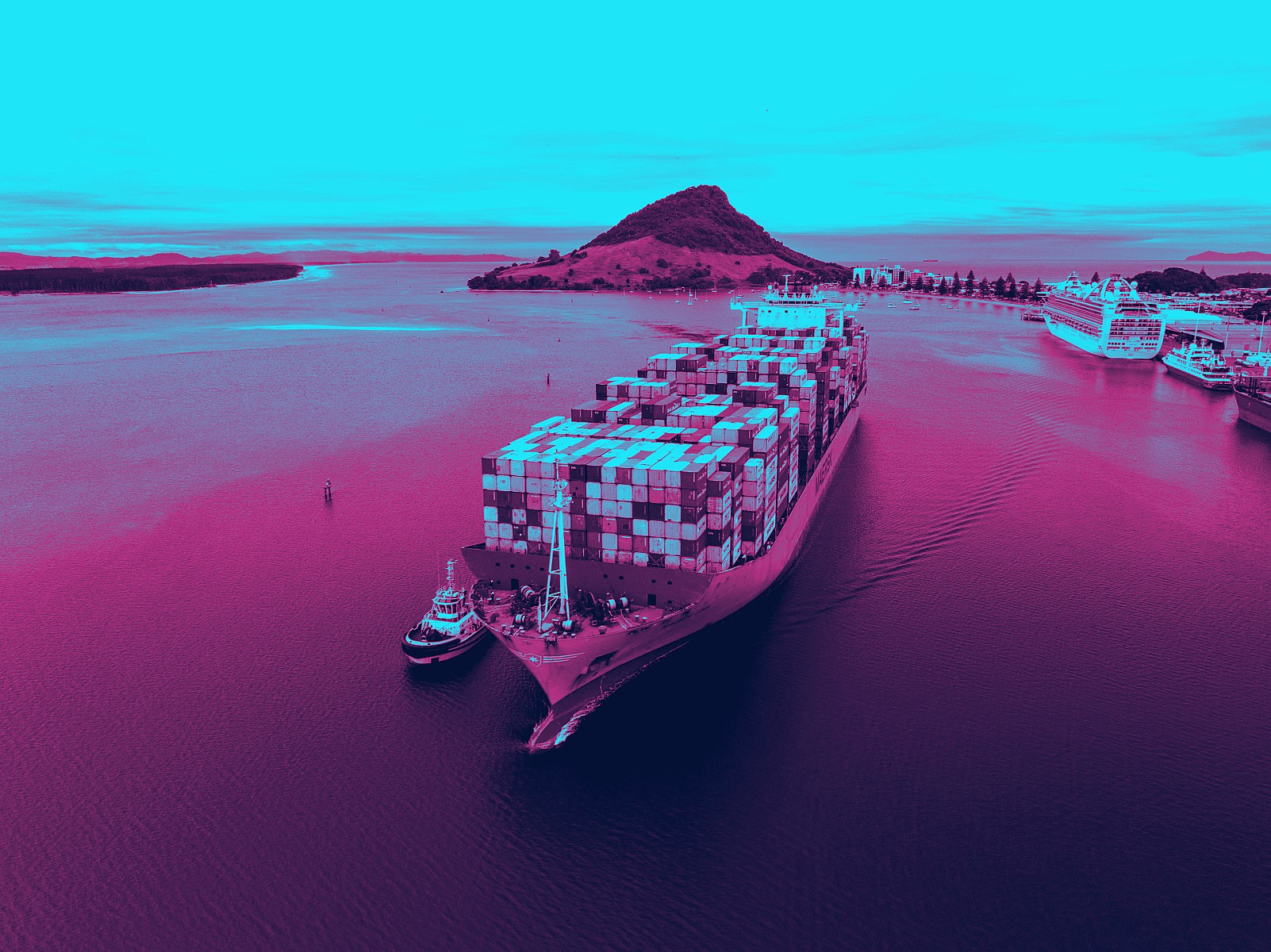
Handling approximately 40% of New Zealand’s total container trade, 48% of New Zealand exports and 32% of New Zealand imports, Port of Tauranga is a nationally critical organisation requiring a robust governance framework.
Operating across an intermodal network stretching from Northport in Whangārei to Timaru in the South Island, Port of Tauranga’s compliance obligations run to more than 650 individual legal requirements spanning NZX rules, maritime law, biosecurity, hazardous materials, employment legislation, health and safety and more — a reflection of an operation that touches customers, contractors, subsidiaries, iwi and hapū, regulators, and the wider community.
It is within this environment that Port of Tauranga made the decision to implement an independent external ethics reporting channel — and to build the cultural infrastructure to make it work.
Much of the challenge comes down to distribution. Beyond the port’s two main facilities at Mount Maunganui and Sulphur Point, its obligations follow the reach of its network: the Ruakura Inland Port joint venture in Hamilton, a 50% stake in Northport at Whangārei, and a South Island footprint through its investment in PrimePort Timaru and the Timaru Container Terminal.
“We are dealing with safety-critical, high-volume, heavy machinery, rail, road transport, ships, fuel and chemical handling, environmental controls, customs and police, biosecurity, security and industrial environments,” says Risk Specialist John Gamba. “Add in customers, contractors, and subsidiaries, and it creates a very broad compliance landscape.”
Gamba’s approach is to embed compliance responsibility throughout the organisation — building capability into operational leaders and designated champions across different business areas. Clear guidance, consistent communication, and reliable reporting mechanisms are the infrastructure that makes that model work.
“Having trusted mechanisms that give you feedback about what is going on is a key part of risk management. You cannot manage what you cannot see — and the people closest to the work are often the first to notice when something is not right.”
Internal reporting pathways were already well established at Port of Tauranga. Employees can raise concerns with managers, senior leaders, or directly with the risk function. What was missing was an external, independent channel — one with anonymity, confidentiality, and no organisational proximity to the issue being reported.
“People in the organisation need to feel comfortable raising sensitive matters,” says Gamba. “At times it will involve people close to them — difficult situations where they need an independent method of reporting. That gives them anonymity, confidentiality, and independence. Those things are essential to ensure people speak up when they might not feel comfortable doing so internally.”
Gamba’s experience working alongside independent reporting services spans much of his career in risk and compliance. Drawing on that background, Port of Tauranga undertook a formal evaluation of providers — assessing support, dependability, knowledge, and integrity — and Report It Now™ was selected.
The case for an independent reporting channel was well received at senior level. Port of Tauranga’s Board and senior management team gave unanimous support — a reflection, Gamba says, of an organisation that takes its responsibility to people seriously.
The framing was important. Rather than positioning EthicsPro® as a monitoring or detection mechanism, the proposal centred on collective wellbeing: a way for people to look after each other and protect the organisation they work for.
“It’s not about ‘sorting people out’. It’s about helping our people to keep themselves and each other safe, and to keep the company safe — a better outcome for all of us. That’s how we approached it, and that’s how it was received.”
At Port of Tauranga, the period between engaging Report It Now™ and going live was two to three months — a deliberate timeline built around change management.
Before the service launched, the team ran face-to-face sessions with operational management, environmental and safety staff, subsidiaries, and union representatives. Those sessions explained the purpose of the service, walked through what happens when a report is received, and allowed time for questions. The organisation’s ethics policy was refreshed and communicated to all staff in advance.
“It was about making sure everyone understood what this is, and why we were doing it, well before anything went live,” says Gamba. “The launch helped create that picture for people — a more visible framework for speaking up, and a way to look after each other, and the business, and to do the right thing.”
Since launch, Port of Tauranga has rolled out a structured ethics training programme across all levels: leadership sessions for the senior management team and direct reports, and two online modules for every employee, which include guidance on the reporting channel and how it works.
Independent reporting is most effective when speaking up feels like a natural part of working life — not a dramatic or high-stakes act. Building that culture is something Port of Tauranga has approached with care.
“This is part of an overall ethical culture we are trying to build,” says Gamba. “We want people to understand: if you raise something, it will be taken seriously, it will be handled fairly, and the organisation stands behind that commitment.”
The EthicsPro® implementation is still in its early months at Port of Tauranga but already three substantive benefits stand out.
The first is clarity — a visible, structured framework for speaking up that formalises what was previously informal. The second is trust — by publicly committing to confidentiality, anonymity, and fair process, leadership demonstrates its values in a concrete way. The third is governance quality — the rigour of implementation has lifted how the organisation handles concerns across the board.
There is also the less-discussed ‘dissuasive’ effect of visible reporting platforms.
“A potential bad actor might think twice because they know that these reporting channels exist and people will use them,” says Gamba. “Just the presence of the service reinforces expectations and makes clear that poor behaviour will not be tolerated.”
For compliance professionals in infrastructure and logistics operating without an independent reporting channel, Gamba’s perspective is clear.
“Look at services like Report It Now not as software or just a reporting line. Treat them as a cultural governance initiative. Engage people, explain why it matters, and train consistently. The goal is a culture where people know that if they raise something, it will be taken seriously — where speaking up means looking after each other, and where there is a safe place to land.”
The act of putting that infrastructure in place carries its own message about leadership intent.
“What more powerful way to demonstrate your values than to tell people: here is a tool for you. We will treat it seriously. We will protect you. We will make sure your concerns are followed up fairly. Just doing that — just putting an independent reporting line in place — shows the organisation’s commitment to looking after everybody.”
Port of Tauranga (NZX: POT) is New Zealand’s largest port and the country’s principal gateway for international trade. Report It Now™ provides independent ethics reporting and whistleblowing services across New Zealand, Australia, and Singapore through its EthicsPro® platform.
